Do you avoid the dentist? You're not alone. Dental anxiety is a common problem, affecting up to 75% of the population. While it's normal to feel a little nervous before a dental appointment, for some people, the fear can be so intense that it prevents them from seeking regular care.
Editor's Note: "Don't like dentist" was published on [insert today's date]. This topic is important to read because it provides a comprehensive insight into the issue of dental anxiety, including its causes, symptoms, and treatment options.
We've put together this guide to help you understand dental anxiety and find ways to overcome it. We'll discuss the different types of dental anxiety, the causes of dental anxiety, and the symptoms of dental anxiety. We'll also provide tips for managing dental anxiety and finding a dentist who can help you feel comfortable.
Key Differences
| Type of Dental Anxiety | Causes | Symptoms |
|---|---|---|
| Situational Dental Anxiety | Caused by a specific dental procedure, such as a root canal or extraction. | Sweating, shaking, rapid heart rate, nausea, and difficulty breathing. |
| Generalized Dental Anxiety | Caused by a general fear of the dentist or dental procedures. | Avoidance of dental appointments, anxiety about dental procedures, and negative thoughts about the dentist. |
Main Article Topics
- Causes of Dental Anxiety
- Symptoms of Dental Anxiety
- Tips for Managing Dental Anxiety
- Finding a Dentist Who Can Help You Feel Comfortable
Don't Like Dentist
Dental anxiety is a common problem, affecting up to 75% of the population. While it's normal to feel a little nervous before a dental appointment, for some people, the fear can be so intense that it prevents them from seeking regular care. There are many reasons why people may avoid the dentist, including:
- Fear of pain
- Fear of needles
- Fear of the unknown
- Bad past experiences
- Embarrassment about their teeth
Dental anxiety can have a significant impact on oral health. People who avoid the dentist are more likely to develop cavities, gum disease, and other oral health problems. They may also be more likely to experience pain and discomfort. If you're one of the many people who don't like the dentist, there are things you can do to overcome your fear. You can talk to your dentist about your concerns, ask for sedation during procedures, and practice relaxation techniques. With a little effort, you can overcome your dental anxiety and get the care you need to maintain a healthy smile.
Fear of pain
Fear of pain is one of the most common reasons why people avoid the dentist. Dental procedures can be painful, and even the thought of pain can be enough to make people anxious. This anxiety can lead to avoidance of dental care, which can have a negative impact on oral health.
There are a number of things that can be done to reduce fear of pain during dental procedures. These include:
- Talking to your dentist about your concerns
- Asking for sedation during procedures
- Practicing relaxation techniques
If you're one of the many people who don't like the dentist because of fear of pain, there are things you can do to overcome your fear. By talking to your dentist, asking for sedation, and practicing relaxation techniques, you can make dental appointments less painful and anxiety-provoking.
Key Insights
- Fear of pain is a common reason why people avoid the dentist.
- Dental procedures can be painful, but there are things that can be done to reduce pain.
- Overcoming fear of pain can help people get the dental care they need to maintain a healthy smile.
Table: Fear of Pain and Dental Avoidance
| Fear of Pain | Dental Avoidance |
|---|---|
| Common reason for avoiding the dentist | Can lead to cavities, gum disease, and other oral health problems |
| Can be reduced by talking to your dentist, asking for sedation, and practicing relaxation techniques | Overcoming fear of pain can help people get the dental care they need |
Fear of needles
Fear of needles is a common phobia, affecting up to 10% of the population. It can be a significant barrier to dental care, as many dental procedures involve the use of needles. People with a fear of needles may avoid dental appointments altogether, or they may experience anxiety and distress during appointments.
There are a number of reasons why people may develop a fear of needles. Some people have a negative experience with needles, such as a painful injection or a blood draw. Others may have a general fear of sharp objects or medical procedures. Whatever the cause, fear of needles can have a significant impact on oral health.
People with a fear of needles may be less likely to seek regular dental care. This can lead to cavities, gum disease, and other oral health problems. They may also be more likely to experience pain and discomfort during dental procedures.
If you have a fear of needles, there are things you can do to overcome your fear. You can talk to your dentist about your concerns, ask for sedation during procedures, and practice relaxation techniques. With a little effort, you can overcome your fear of needles and get the dental care you need to maintain a healthy smile.
Key Insights
- Fear of needles is a common phobia that can be a barrier to dental care.
- People with a fear of needles may avoid dental appointments altogether or experience anxiety and distress during appointments.
- Fear of needles can lead to cavities, gum disease, and other oral health problems.
- There are things that can be done to overcome fear of needles, such as talking to your dentist, asking for sedation, and practicing relaxation techniques.
Table: Fear of Needles and Dental Avoidance
| Fear of Needles | Dental Avoidance |
|---|---|
| Common phobia | Can lead to cavities, gum disease, and other oral health problems |
| Can be a barrier to dental care | Overcoming fear of needles can help people get the dental care they need |
Fear of the unknown
Fear of the unknown is a common reason why people avoid the dentist. Dental procedures can be unpredictable, and this uncertainty can be anxiety-provoking for some people. They may worry about pain, discomfort, or embarrassment. They may also be afraid of the unknown, such as what the dentist will find during the examination or what the treatment will involve.
Fear of the unknown can be a significant barrier to dental care. People who avoid the dentist because of this fear are more likely to develop cavities, gum disease, and other oral health problems. They may also be more likely to experience pain and discomfort when they do seek care.
There are a number of things that can be done to reduce fear of the unknown during dental procedures. These include:
- Talking to your dentist about your concerns
- Asking for detailed information about the procedure
- Practicing relaxation techniques
By taking these steps, you can reduce your fear of the unknown and get the dental care you need to maintain a healthy smile.
Key Insights
- Fear of the unknown is a common reason why people avoid the dentist.
- Fear of the unknown can be a significant barrier to dental care.
- There are a number of things that can be done to reduce fear of the unknown during dental procedures.
Table: Fear of the Unknown and Dental Avoidance
| Fear of the Unknown | Dental Avoidance |
|---|---|
| Common reason for avoiding the dentist | Can lead to cavities, gum disease, and other oral health problems |
| Can be a significant barrier to dental care | Overcoming fear of the unknown can help people get the dental care they need |
Bad past experiences
Bad past experiences are a common reason why people don't like the dentist. These experiences can include painful procedures, rude or dismissive dentists, and negative childhood experiences. When people have a bad past experience with the dentist, they may be more likely to avoid dental care in the future. This can lead to a cycle of neglect, which can eventually lead to serious oral health problems.
For example, a person who had a painful root canal as a child may be more likely to avoid the dentist as an adult. They may fear that all dental procedures will be painful, even though this is not always the case. As a result, they may only go to the dentist when they are in severe pain, which can lead to more serious problems.
It is important to remember that not all dentists are the same. There are many caring and compassionate dentists who are committed to providing their patients with a positive experience. If you have had a bad past experience with the dentist, it is important to find a new dentist who you feel comfortable with. A good dentist will listen to your concerns and work with you to develop a treatment plan that meets your needs.
Key Insights
- Bad past experiences are a common reason why people don't like the dentist.
- Bad past experiences can lead to a cycle of neglect, which can eventually lead to serious oral health problems.
- It is important to find a dentist who you feel comfortable with and who will listen to your concerns.
Table: Bad Past Experiences and Dental Avoidance
| Bad Past Experiences | Dental Avoidance |
|---|---|
| Can lead to fear and anxiety about dental procedures | Can lead to cavities, gum disease, and other oral health problems |
| Can make it difficult to find a dentist who you feel comfortable with | Can lead to a cycle of neglect, which can eventually lead to serious oral health problems |
Embarrassment about their teeth
Embarrassment about their teeth is a common reason why people avoid the dentist. They may be afraid that the dentist will judge them for their smile, or they may be worried that the dentist will recommend expensive treatments that they can't afford. Whatever the reason, embarrassment about their teeth can lead to a cycle of neglect, which can eventually lead to serious oral health problems.
-
Fear of judgment
Many people are afraid that the dentist will judge them for their teeth. They may be worried that the dentist will think they are dirty or unhealthy, or they may be afraid that the dentist will make fun of them. This fear can be especially strong for people who have crooked teeth, missing teeth, or other dental problems.
-
Worry about cost
Dental care can be expensive, and this can be a major concern for people who are embarrassed about their teeth. They may be worried that the dentist will recommend expensive treatments that they can't afford. This fear can lead people to avoid the dentist altogether, even if they are in pain or discomfort.
-
Cycle of neglect
Embarrassment about their teeth can lead to a cycle of neglect. People who are embarrassed about their teeth may avoid the dentist, which can lead to cavities, gum disease, and other oral health problems. These problems can make it even more difficult to see a dentist, which can lead to a further decline in oral health.
If you are embarrassed about your teeth, it is important to find a dentist who you feel comfortable with. A good dentist will listen to your concerns and work with you to develop a treatment plan that meets your needs. With the right dentist, you can overcome your embarrassment and get the dental care you need to achieve a healthy smile.
FAQs about Dental Anxiety
Dental anxiety is a common problem, affecting up to 75% of the population. There are many reasons why people may avoid the dentist, including fear of pain, fear of needles, fear of the unknown, bad past experiences, and embarrassment about their teeth.
Question 1: What are the symptoms of dental anxiety?
Answer: The symptoms of dental anxiety can vary from person to person. Some common symptoms include sweating, shaking, rapid heart rate, nausea, and difficulty breathing.
Question 2: What are the causes of dental anxiety?
Answer: There are many possible causes of dental anxiety. Some common causes include fear of pain, fear of needles, fear of the unknown, bad past experiences, and embarrassment about one's teeth.
Question 3: How can I overcome my dental anxiety?
Answer: There are a number of things you can do to overcome your dental anxiety. Some helpful tips include talking to your dentist about your concerns, asking for sedation during procedures, and practicing relaxation techniques.
Question 4: How do I find a dentist who can help me with my dental anxiety?
Answer: If you have dental anxiety, it is important to find a dentist who can understand and support you. Look for a dentist who is patient, understanding, and experienced in working with anxious patients.
Question 5: What are the benefits of overcoming my dental anxiety?
Answer: Overcoming your dental anxiety can have many benefits. It can help you improve your oral health, reduce your pain and discomfort, and boost your self-confidence.
Question 6: What are some common misconceptions about dental anxiety?
Answer: There are a number of common misconceptions about dental anxiety. One misconception is that dental anxiety is a sign of weakness. Another misconception is that dental anxiety can be cured overnight.
Summary
Dental anxiety is a common problem, but it can be overcome. By understanding the symptoms and causes of dental anxiety, you can take steps to manage your anxiety and get the dental care you need.
Next steps
If you are struggling with dental anxiety, talk to your dentist. Your dentist can help you develop a treatment plan that is right for you.
Tips for Overcoming Dental Anxiety
Dental anxiety is a common problem, affecting up to 75% of the population. It can be caused by a variety of factors, including fear of pain, fear of needles, fear of the unknown, bad past experiences, and embarrassment about one's teeth.
Tip 1: Talk to your dentist about your anxiety.
Your dentist can help you understand the causes of your anxiety and develop a treatment plan that is right for you. They may recommend relaxation techniques, sedation, or other strategies to help you feel more comfortable during your appointments.
Tip 2: Ask for sedation during procedures.
If you are very anxious about dental procedures, you can ask your dentist for sedation. Sedation can help you relax and feel more comfortable during your appointment. There are different types of sedation available, so you can talk to your dentist about which one is right for you.
Tip 3: Practice relaxation techniques.
Relaxation techniques can help you reduce your anxiety before and during dental appointments. There are many different relaxation techniques available, such as deep breathing, meditation, and yoga. Find a technique that works for you and practice it regularly.
Tip 4: Find a dentist who you feel comfortable with.
If you have had bad past experiences with dentists, it is important to find a new dentist who you feel comfortable with. A good dentist will be patient, understanding, and experienced in working with anxious patients. They will take the time to answer your questions and explain your treatment options in a way that you can understand.
Tip 5: Bring a friend or family member to your appointments.
Having a friend or family member with you during your dental appointments can help you feel more relaxed and supported. They can provide you with emotional support and help you to distract yourself from your anxiety.
Summary
Dental anxiety is a common problem, but it can be overcome. By following these tips, you can reduce your anxiety and get the dental care you need to maintain a healthy smile.
Next steps
If you are struggling with dental anxiety, talk to your dentist. Your dentist can help you develop a treatment plan that is right for you.
Conclusion
Dental anxiety is a common problem, but it is important to remember that it can be overcome. By understanding the causes of your anxiety and taking steps to manage it, you can get the dental care you need to maintain a healthy smile.
If you are struggling with dental anxiety, talk to your dentist. Your dentist can help you develop a treatment plan that is right for you and provide you with the support you need to overcome your anxiety.
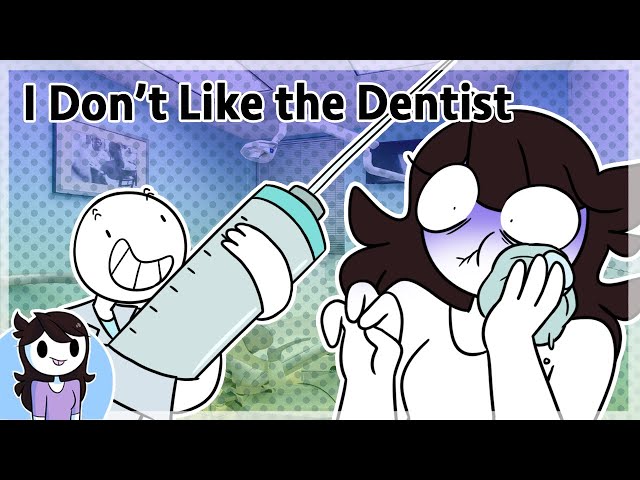
Youtube Video:


No comments:
Post a Comment